

TL;DR
PPC advertising campaigns is a fast, targeted way to get your business noticed online.
It helps you appear instantly in front of people actively searching for your services or products.
With precise targeting, measurable results, and full budget control, PPC offers serious ROI.
It’s a game-changer for businesses looking to grow visibility and leads quickly.
Start smart with strategy, keyword research, and optimized ads that convert.
Introduction
In today’s crowded online world, getting noticed can be tough. With countless websites competing for attention, standing out requires more than just a good product or service. PPC advertising campaigns offers a way to quickly increase your online visibility and attract visitors who are actively searching for what you offer. But what exactly is PPC, how does it function, and why is it essential for your business? Let’s break it down.
Understanding PPC: The Basics
PPC is an online advertising model where you pay a fee each time someone clicks on your ad. Instead of waiting for people to find your website organically, PPC allows you to place ads in front of users who are searching for keywords related to your business. Popular platforms for PPC include Google Ads, Bing Ads, and social media sites like Facebook and Instagram.
Key Components of PPC:
Keyword Research: Identify the words and phrases your potential customers use when searching online. For instance, if you sell handmade jewelry, relevant keywords might be “custom silver rings” or “artisan necklaces.”
Creating Ads: Develop compelling ads that appear when users search for your chosen keywords. A good ad includes a catchy headline, a brief description of your offering, and a clear call-to-action like “Shop Now” or “Learn More.”
Ad Auction: When someone searches for a keyword, an auction determines which ads appear. Factors influencing this include:
- 1. Your Bid: The maximum amount you’re willing to pay per click.
- 2. Quality Score: A rating of your ad’s relevance and quality.
- 3. Ad Extensions: Additional information like links to specific pages, contact details, or location info.
Ad Rank: This determines your ad’s position on the search results page, calculated based on your bid and quality score.
Paying for Clicks: You only pay when someone clicks on your ad, making PPC a cost-effective way to drive targeted traffic to your site.
Why Your Business Should Consider PPC
Relying solely on organic traffic can be slow and unpredictable. PPC offers several advantages that can accelerate your business growth:
Immediate Visibility
Unlike search engine optimization (SEO), which can take months to show results, PPC ads can appear on search engines almost instantly, placing your business in front of potential customers right away.
Targeted Advertising
PPC platforms allow you to target specific demographics, locations, interests, and even device types. This ensures your ads reach the audience most likely to be interested in your products or services.
Measurable Results
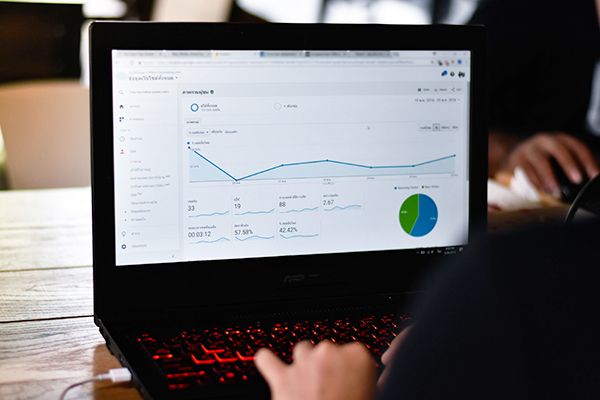
With PPC advertising campaigns, you can track metrics like clicks, impressions, conversions, and return on investment (ROI) in real-time. This data helps you understand what’s working and where to make improvements.
Budget Control
You have full control over how much you spend. Set daily or monthly budgets, adjust bids, and allocate funds to the most effective campaigns. This flexibility ensures you don’t overspend and can maximize your ROI.
Competitive Advantage
PPC levels the playing field, allowing small businesses to compete with larger companies. With well-crafted ads and smart targeting, even startups can achieve prominent placement in search results.
Insights for Other Marketing Strategies
The data from PPC advertising campaigns can inform your broader marketing efforts. Understanding which keywords and ads perform best can guide your SEO and content marketing strategies.
Getting Started with PPC
Launching a pay per click advertising campaigns involves several key steps:
1. Set Clear Goals: Determine what you want to achieve—more website traffic, increased sales, lead generation, or brand awareness.
2. Conduct Keyword Research: Use tools to find relevant keywords that your target audience is searching for.
3. Organize Campaigns and Ad Groups: Group related keywords and ads together to ensure relevance and improve performance.
4. Create Compelling Ads: Write clear and engaging ad copy that highlights your unique selling points and includes a strong call-to-action.
5. Design Effective Landing Pages: Ensure that the page users land on after clicking your ad is relevant, user-friendly, and encourages them to take the desired action.
6. Set Your Budget and Bids: Decide how much you’re willing to spend and how much to bid for each click.
7. Implement Conversion Tracking: Use tracking tools to monitor the actions users take after clicking your ads, helping you measure success and make data-driven decisions.
Conclusion
In the competitive digital landscape, Ppc advertising campaigns offers a powerful way to quickly increase visibility, attract targeted traffic, and achieve your marketing goals. By understanding how PPC works and leveraging its benefits, businesses of all sizes can connect with potential customers, drive growth, and stay ahead in the market. Whether you’re a startup or an established company, incorporating PPC into your marketing strategy can provide a significant boost to your online presence.